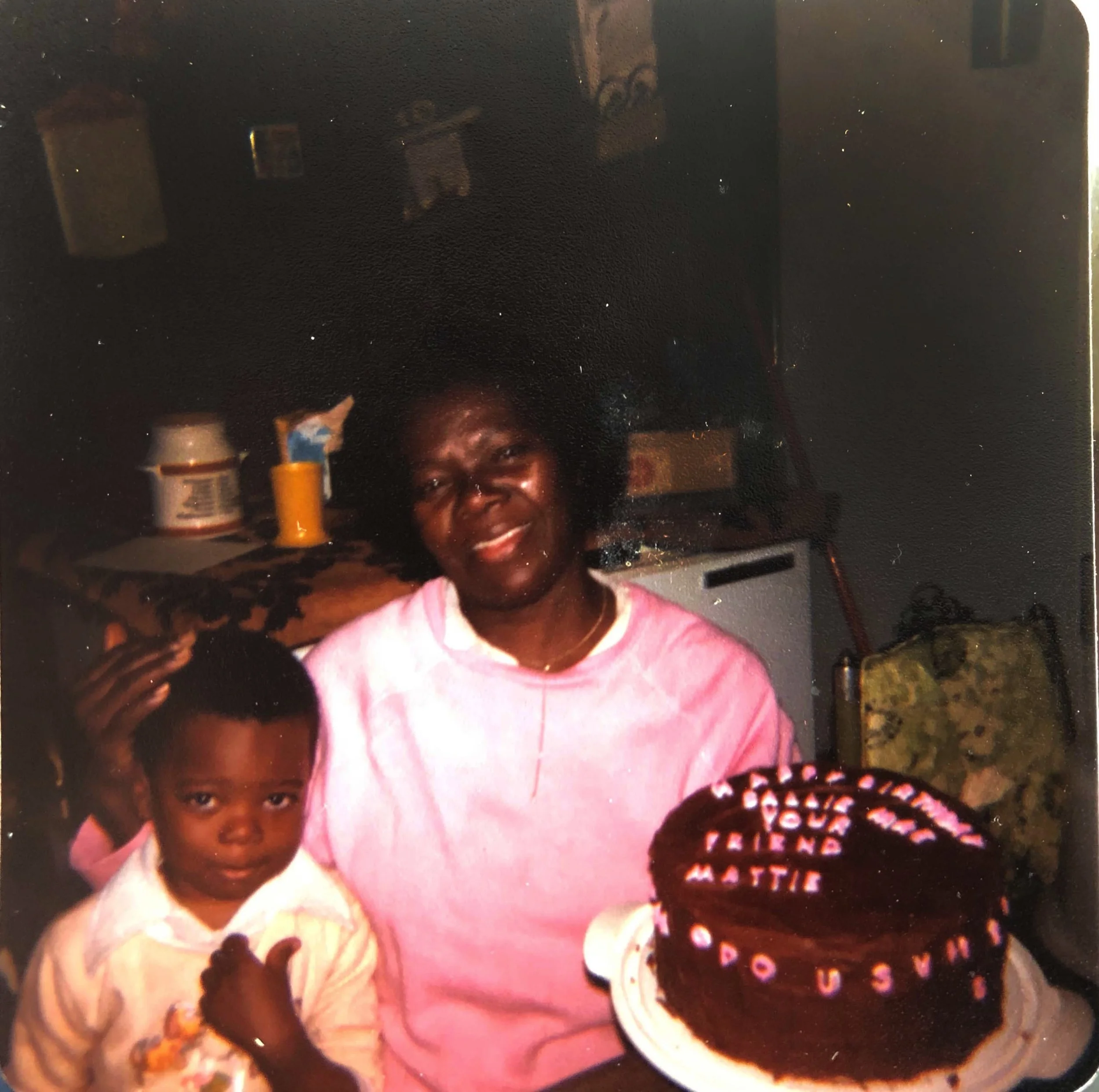
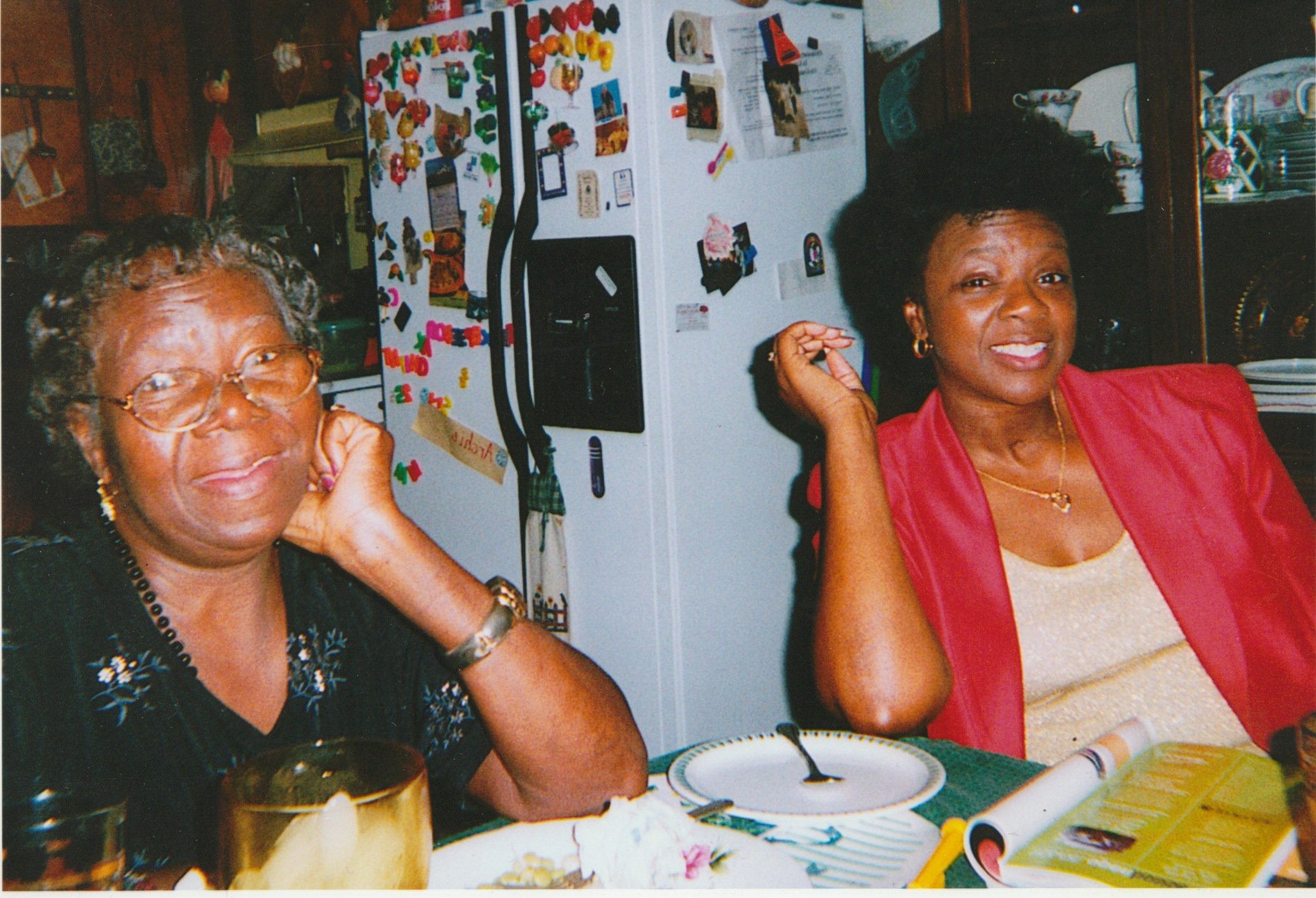
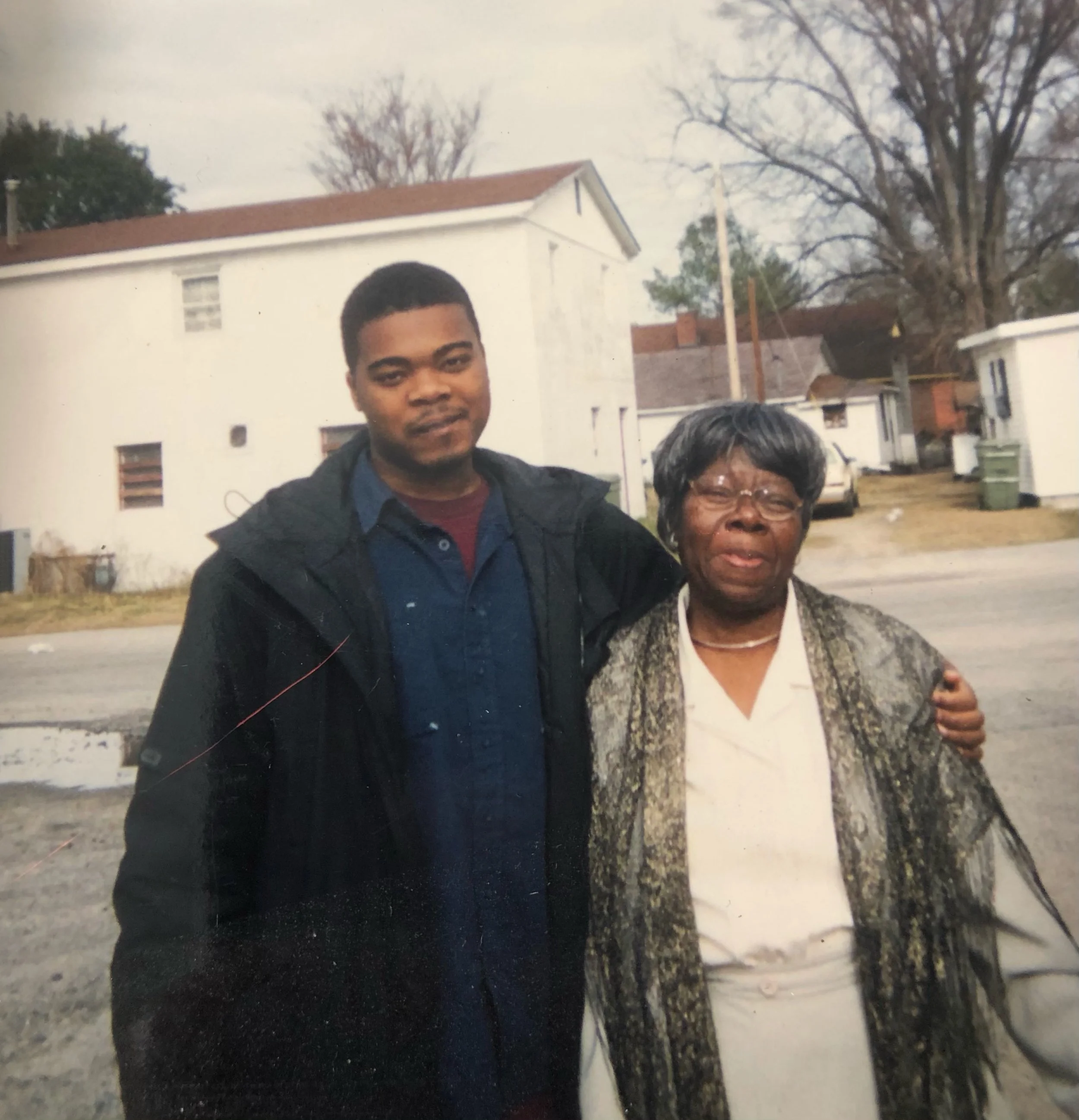
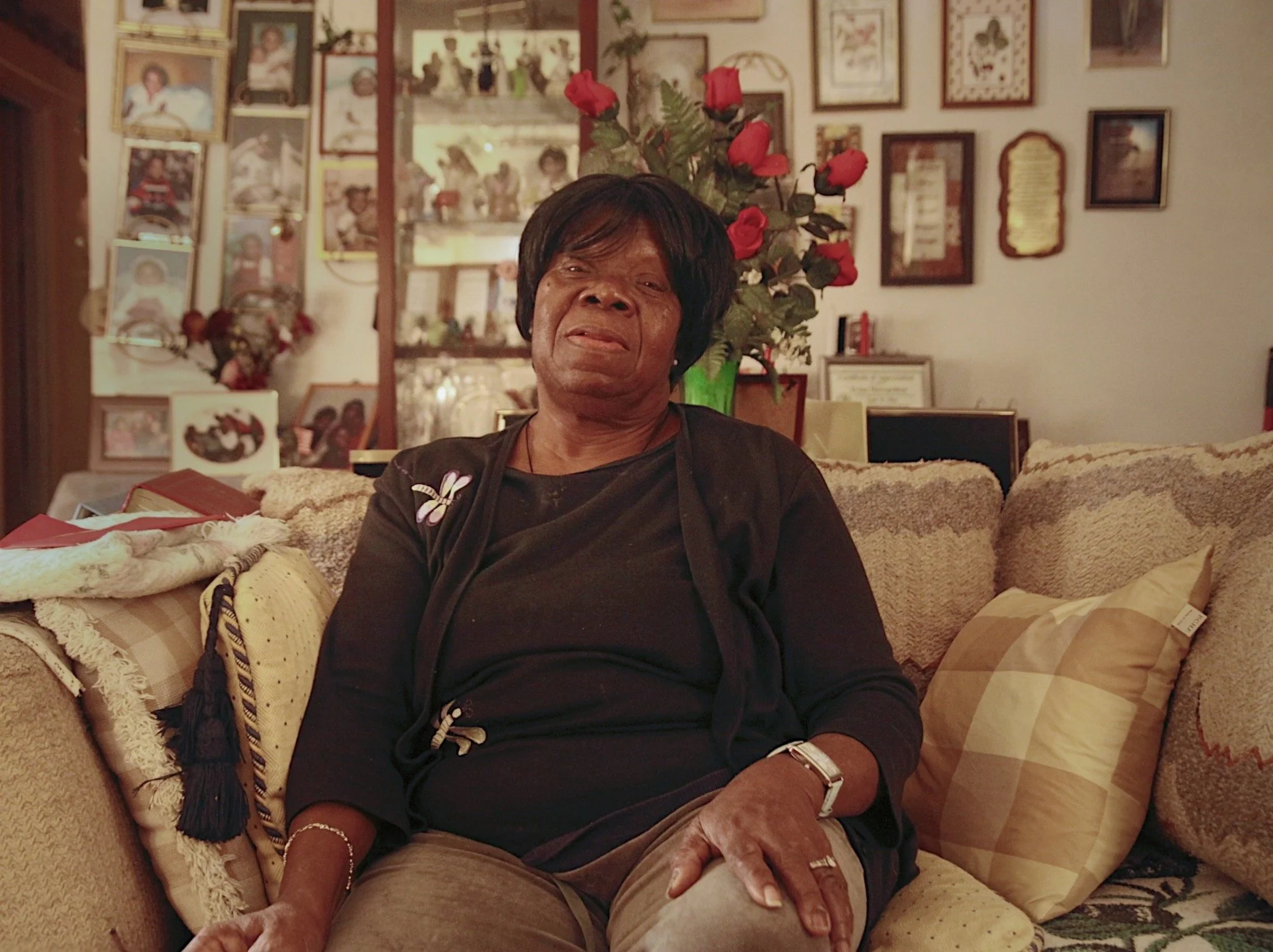
This work is dedicated to my grandmother, Sallie Mae Miles, of Bennettsville, SC, whose lifelong labor as a sharecropper, nanny, and domestic worker in the Pee Dee region of South Carolina made my path possible. She is the foundation of my identity, and most of my memories in life begin at the hem of her skirt.
Though she did not have the luxury of a formal education, she was our family’s first and true archivist. Her collection of memories lived on the walls, doors, and tables of our home until a flood, shaped by environmental racism, macerated our history. From the devastating waters, she managed to save a single envelope of surviving photographs. Her fortune became my inheritance, and those fragile, rescued images became the absolute nucleus of Atlantic Archives. Her instinct to protect our memory became my transnational method. Today, the work I do to support grassroots visual collections in Northeast Brazil is a direct extension of her care—built to honor the Black working-class women across the diaspora whose lives, domestic histories, and visual records echo her own.
She did everything like it was her job. I remember walking with her to the butcher shop and the government rations office in our small town, always amazed by how fast she moved. She walked with purpose, usually a few steps ahead of me, as if there were always somewhere she needed to be and something that needed doing. Years later, traveling the world with a single bag on my back, I would imagine her walking with me through open-air markets, bus stations, and unfamiliar streets, still slightly ahead, walking like it was her job. Because of her, I have always felt a particular closeness to the people whose labor keeps other people comfortable: the women washing clothes, cleaning rooms, preparing food, sweeping floors, and working long after everyone else has gone home. I recognized something familiar in them before I had the language to explain why. Their hands, their uniforms, their tiredness, and the quiet competence with which they moved through the day reminded me of her. Even in airports and other liminal places where I have slept between journeys, it was often the cleaners and night workers who made me feel least alone. My grandmother taught me that dignity could survive hard labor, exhaustion, and circumstances that gave you very little room to rest. I carry that lesson everywhere I go.
Every journey I take across the diaspora is for her, seeking out the laboring Black women who pause their work with soap-caked nails to make shelter for Sallie Mae’s grandson. She is responsible for me being the first in our family to receive a college education, and my intellectual work is possible solely because of her labor. Witnessing her lifelong sacrifice is exactly why I choose to work alongside marginalized communities and first-generation students. In Brazil, I recognized Black women making the same sacrifices so their children and grandchildren could get an education. The first Atlantic Archives fellowship projects were designed as a direct tribute to her—creating resources to help the descendants of domestic workers finish college, and building a transnational conversation between my grandmother and the women who mirror her strength across the globe.